About
We build models that connect vision, language, audio, and video, with a focus on generation. A recurring theme is attention: designing modules that fuse many modalities, and using the attention inside large generative models as a handle on what they produce. We are also drawn to questions from cognitive science, such as how perception, memory, and comprehension arise in machines, and increasingly to models that reason and act in the physical world.
Research
Attention modules and pooling that fuse vision, language, audio, and video.
Guidance, search, and learned tokens that steer frozen generative models.
Representation learning that lets generative models reach faithfulness to data with less compute.
Models that keep improving after deployment as distributions shift, with test-time training and tool use.
Generative and world models for agents acting in the physical world.
Perception, navigation, and action in interactive environments.
Models that answer, explain, and think over images and video.
Architectures that store and recall over long contexts and long videos.
Learning from interaction and feedback to align and control models.
Work
S. Schiber, O. Lindenbaum, I. Schwartz
Steers cross-attention so concepts appear at the right moment in a generated video.

O. Zafar, Y. Cohen, L. Wolf, I. Schwartz
A reusable counting token, optimized with detector feedback, makes generated images match the requested count.
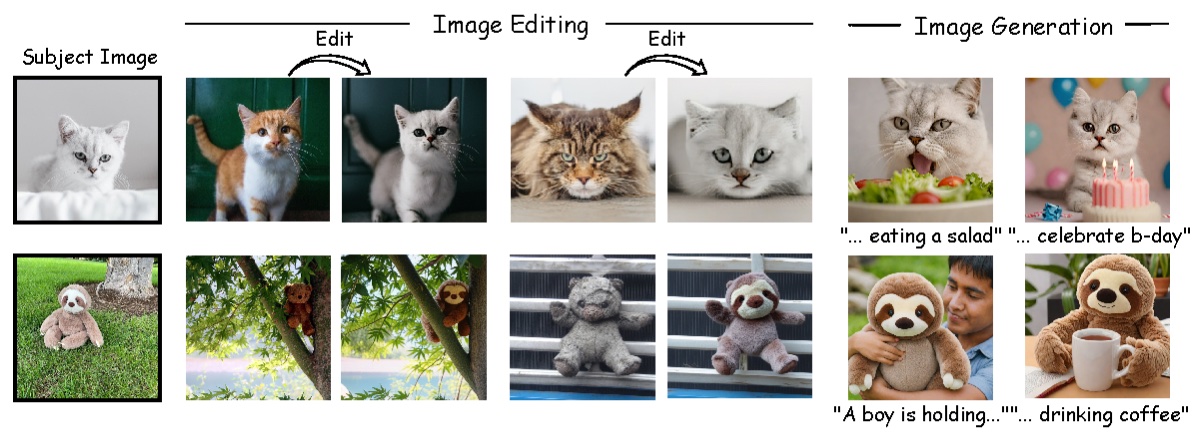
Y. Shpitzer, G. Chechik, I. Schwartz
Personalizes a diffusion model from a single subject image, iterating between generation and editing.
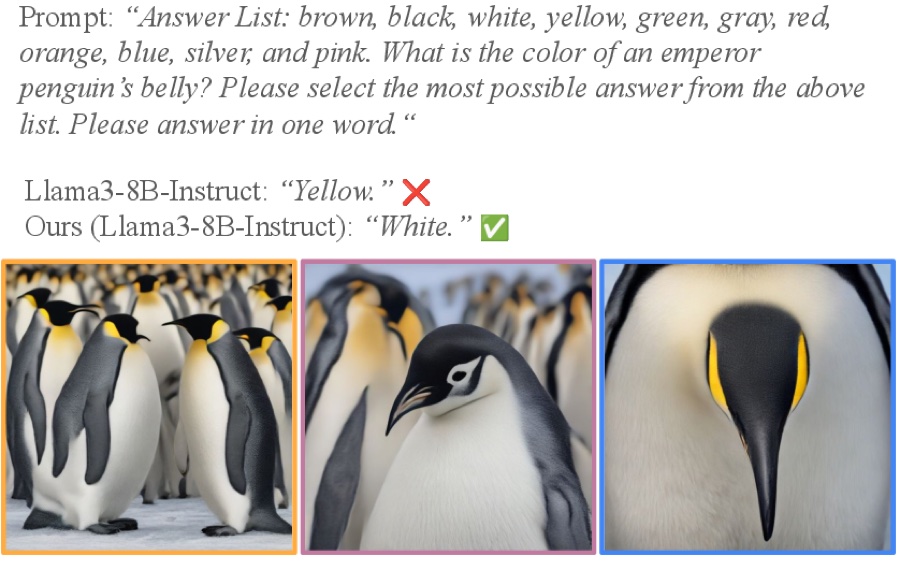
G. Yariv, I. Schwartz, Y. Adi, S. Benaim
Generates images from the prompt and fuses them with a frozen LLM at the last layer.
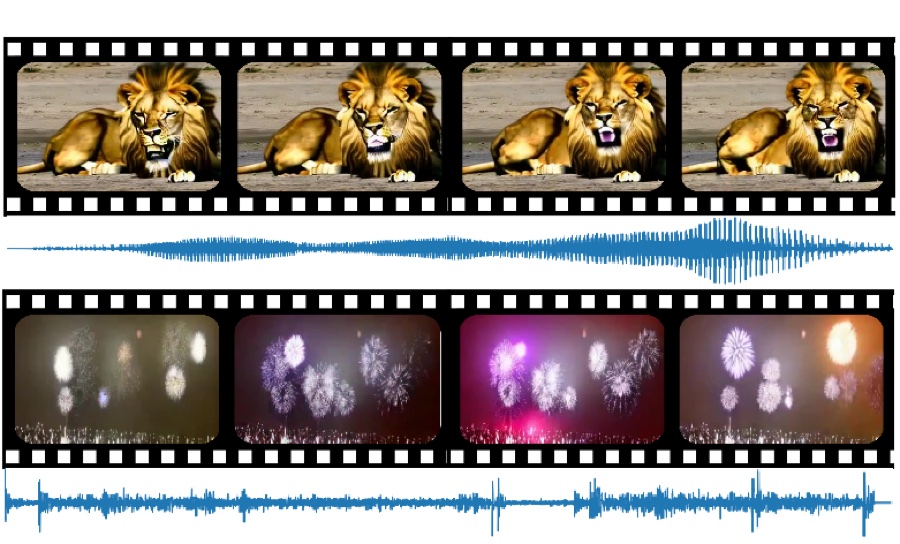
G. Yariv, I. Gat, S. Benaim, L. Wolf, I. Schwartz, Y. Adi
Maps audio into the input space of a frozen text-to-video model, keeping video aligned with sound.

I. Schwartz, V. Snæbjarnarson, S. Benaim, H. Chefer, R. Cotterell, L. Wolf, S. Belongie
Learns a single token from a classifier’s gradient to disambiguate fine-grained classes.
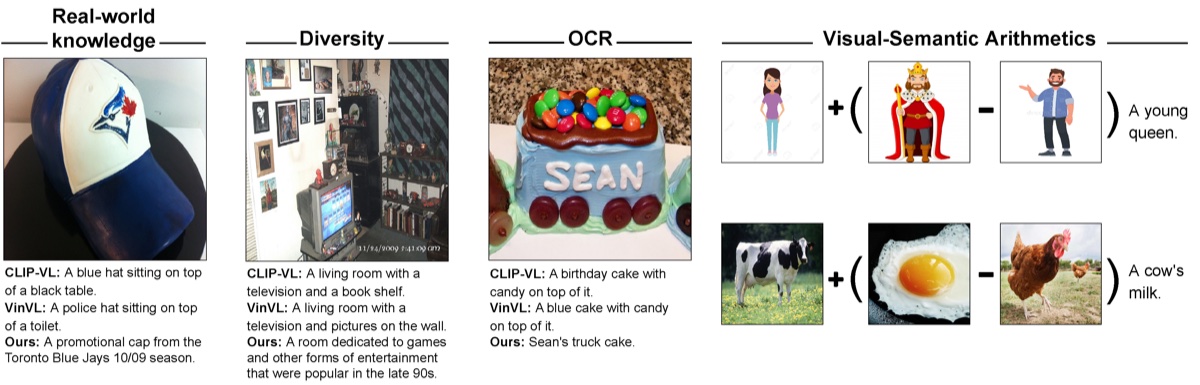
Y. Tewel, Y. Shalev, I. Schwartz, L. Wolf
A frozen LM plus CLIP captions images at inference time, and even does visual arithmetic.
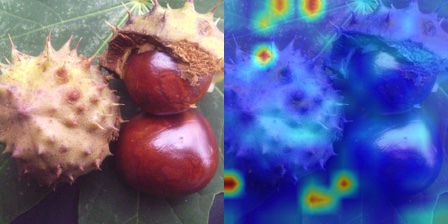
H. Chefer, I. Schwartz, L. Wolf
Shaping relevance maps to focus on the foreground brings large robustness gains.
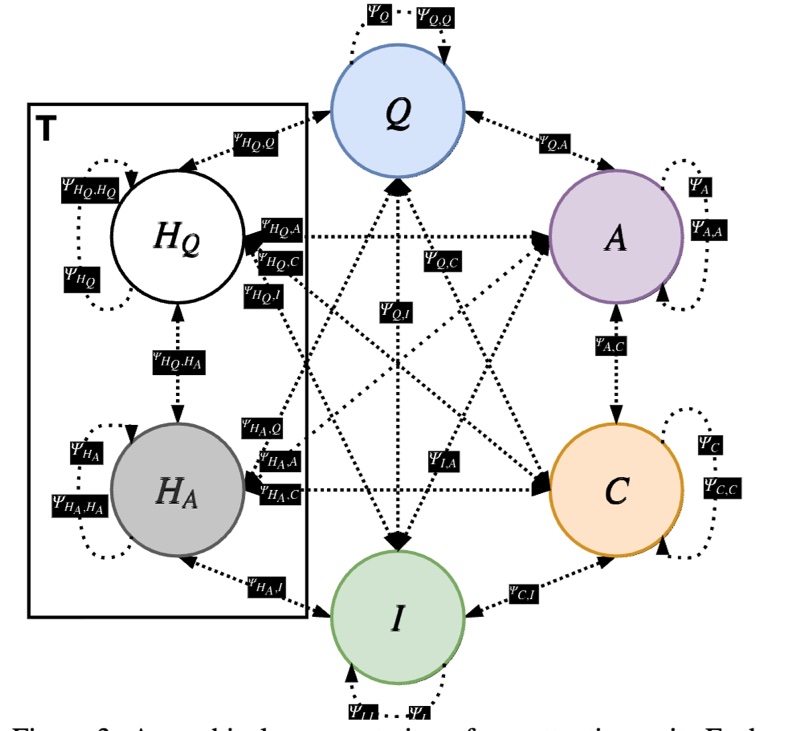
I. Schwartz, T. Hazan, A. G. Schwing
A general attention mechanism that fuses any number of utilities for visual dialog.
The complete list is on Google Scholar and Idan’s page.
People
Idan Schwartz · Principal Investigator
PhD students
- Ben Fishman (joint with Gal Chechik)
MSc students
- Gilad Carmel
- Mark Vexler
- Uriel Dolev (joint with Yoav Goldberg)
- Amit Ronen
- Aviv Weidenfeld
- Omri Keren
- Binyamin Ramati
- Yona Orunov
- Yuval Cohen
- Ben Lustig
Alumni
- Shira Schiber (joint with Ofir Lindenbaum) · TempoControl, CVPR 2026
- Yair Shpitzer (joint with Gal Chechik) · SISO, CVPR 2026 Workshop
Contact
Department of Computer Science and Artificial Intelligence, Room 213
Building 503, Bar-Ilan University
Ramat Gan, Israel directions